The Mayura Journal Practice
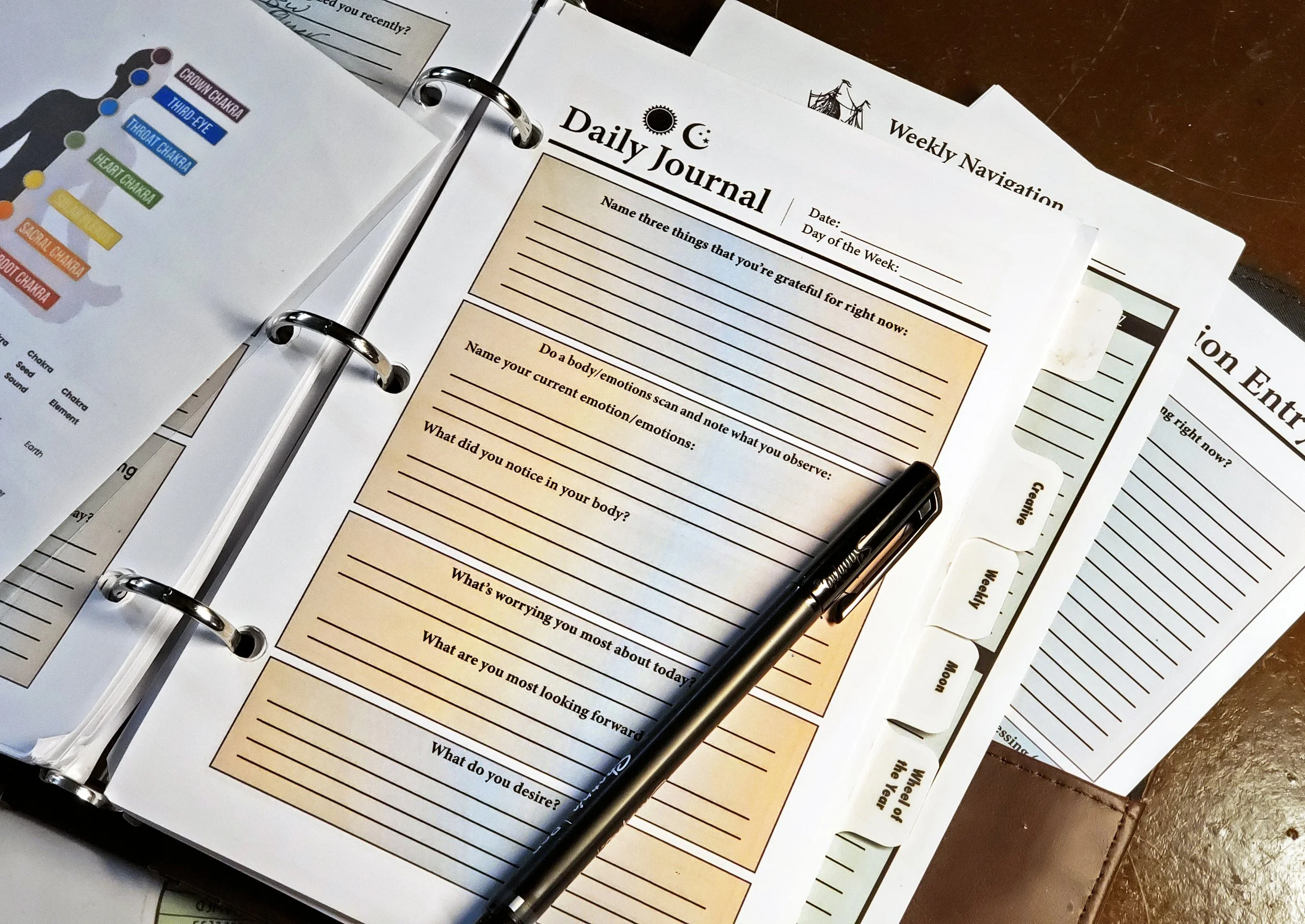
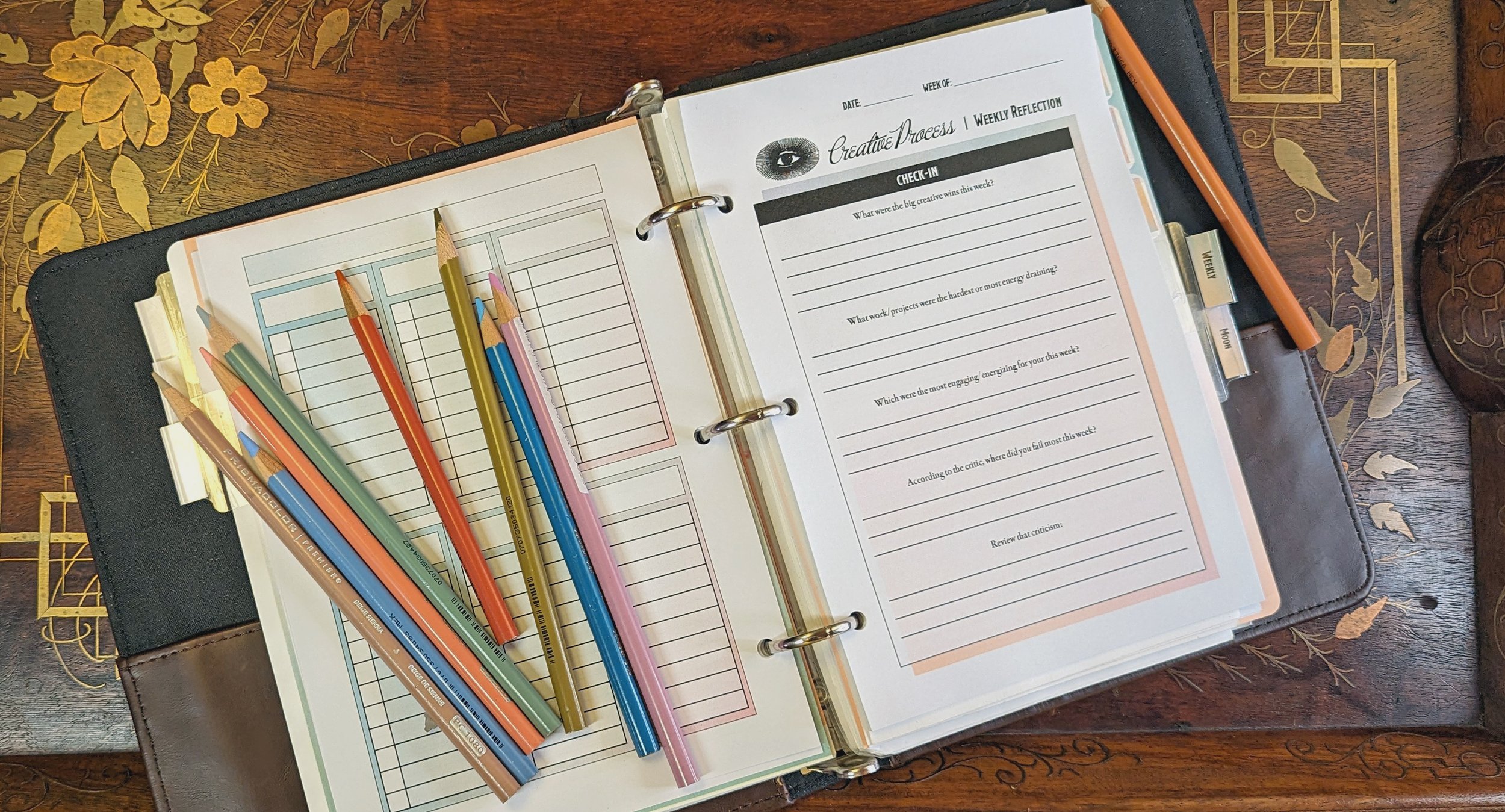
Journaling in the Mayura studio is less about keeping a diary and more about actively building a reflective container for your life, creativity, and inner dialogue. Over time your journal becomes a place where experience, reflection, and intention meet and evolve together.
What it Is
Mayura journaling is a personalized, evolving journaling practice designed to help you develop an ongoing dialogue with yourself across time.
Rather than following a fixed template or routine, or using specialized materials, the process focuses on building a container that reflects your own rhythms, questions, and priorities. Through writing, reflection, and creative exploration, the journal becomes a place where you can observe your life both as a participant and as a witness.
Over time this container helps you notice patterns, clarify intentions, and explore the relationship between your inner experience and the choices you make in daily life. Many people find that this process supports creativity, emotional reflection, and more intentional ways of navigating time and change.
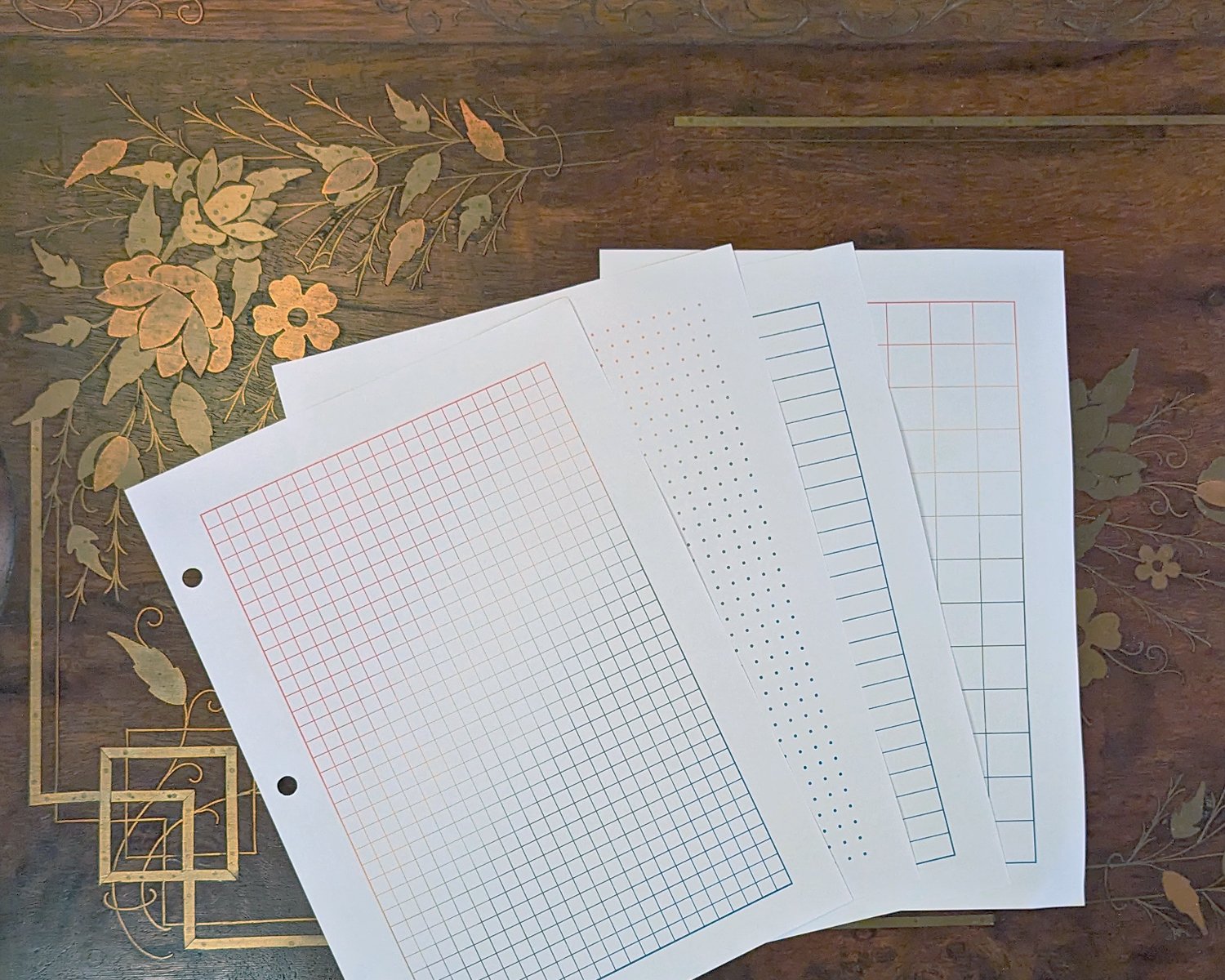
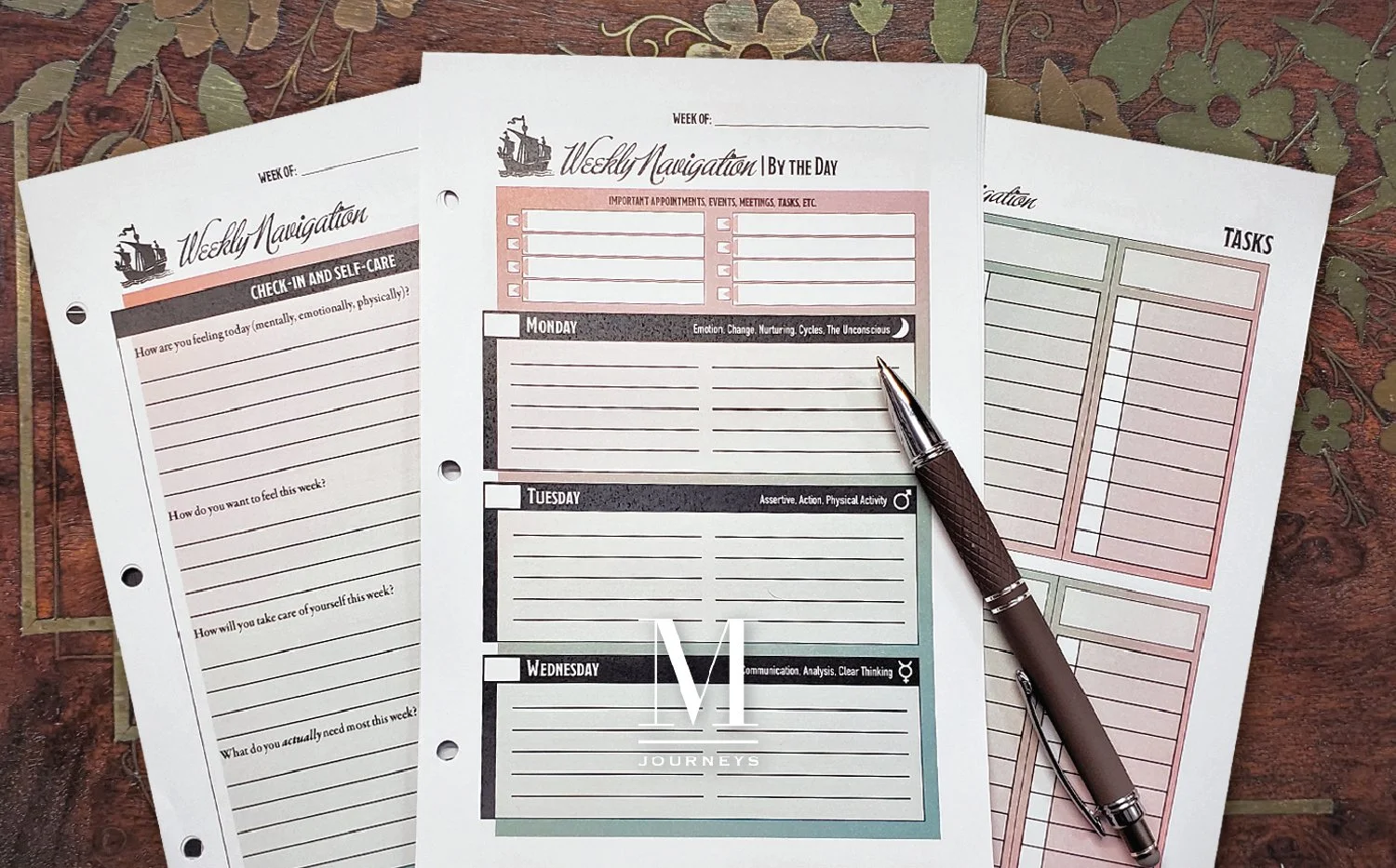
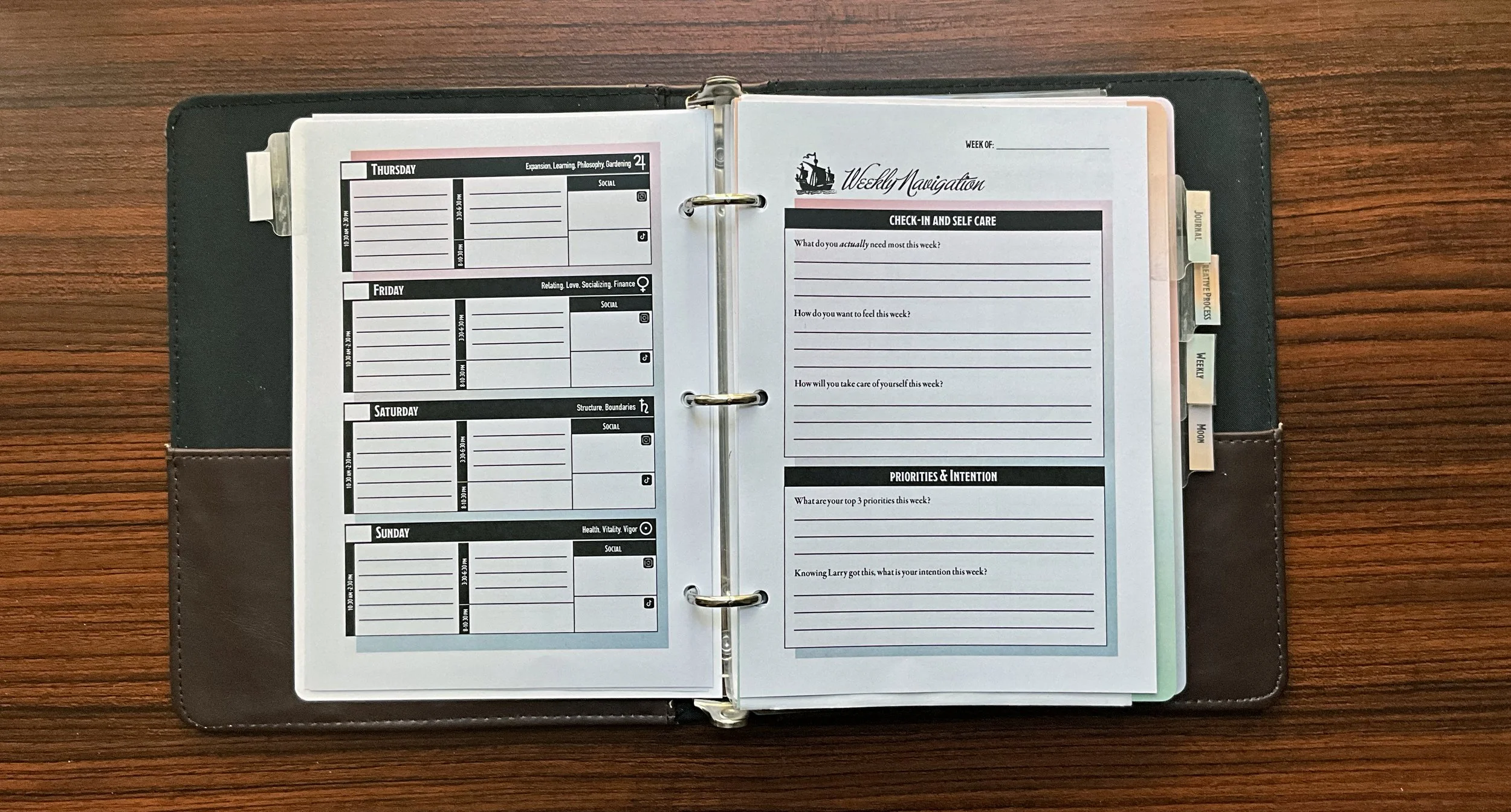
Because the journal is designed by the person using it, the structure can evolve alongside your life. Prompts, page layouts, and rhythms can be adjusted whenever needed so the process remains flexible, responsive, and genuinely useful.
How it Works
Many people start by identifying a goal or intention for their journaling practice such as gaining clarity about how they use their time, reflecting on emotions and experiences, or developing a creative routine.
From there, the journal is developed in a flexible “draft mode.” This means the structure is treated as an experiment rather than a fixed system. Prompts, layouts, and routines can be tested, adjusted, and refined over time as you learn what supports your thinking and reflection best.
For example, someone might begin with:
a simple morning or evening reflection
prompts for noticing patterns or insights
space to record dreams, ideas, or creative questions
periodic check-ins to reflect on how the process is working
Because the system is iterative, the journal can be redesigned as your needs evolve. This allows the practice to grow gradually into a structure that supports both everyday reflection and deeper personal inquiry.
How it’s Used
Once established, the journal becomes a working space for engaging with your life and creative process.
People often use their journal to:
reflect on thoughts, emotions, and daily experiences
explore questions or life transitions
track patterns in behavior or habits
process dreams or symbolic experiences
develop creative ideas
clarify priorities and intentions for their time
Over time, the journal becomes a record of experiences across months or years, allowing you to see patterns that are difficult to notice in the moment. Many people find this perspective helps them make more intentional choices about how they move through life and creative work.
Because the journal is personalized and flexible, it can also integrate other Mayura practices like reflecting on cards from a personal oracle deck, exploring symbols that arise in dreams or creative work, or tracking seasonal and life cycles.
Find it in the Studio
Who This Method Is For
This method may be especially helpful for those who:
want a reflective space for exploring their thoughts and experiences
struggle with traditional routines or rigid time-management systems
want to reconnect with creativity but aren’t sure where to begin
find themselves repeating patterns they’d like to understand or change
want a more organic, personalized way of navigating time and priorities